


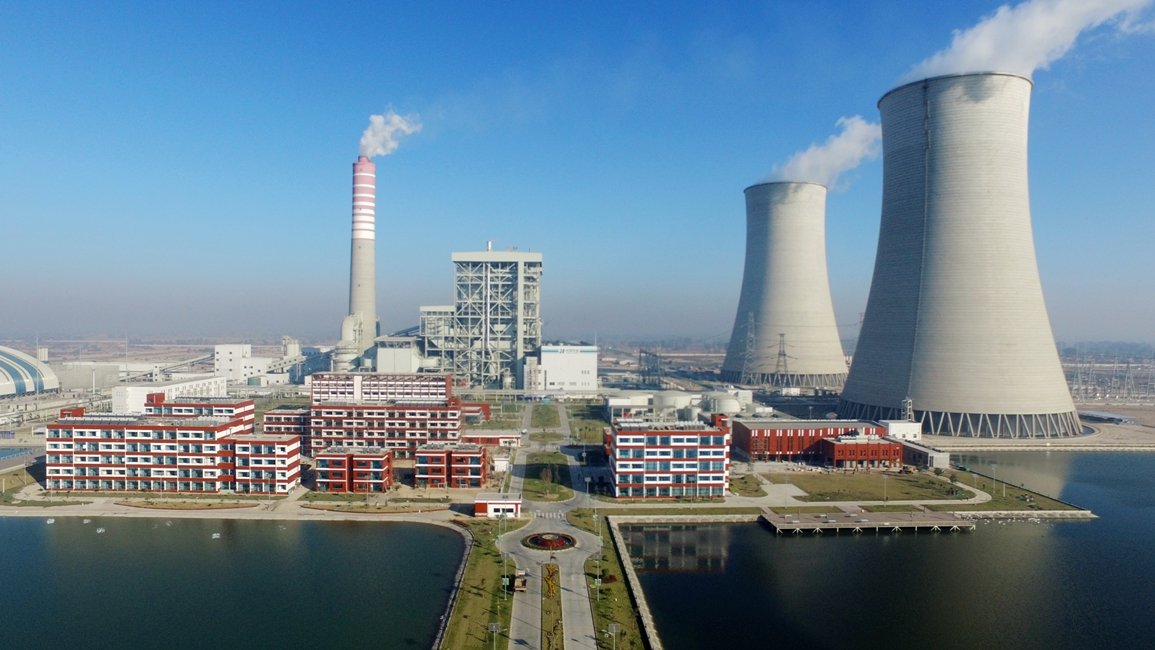
ISLAMABAD: The Sahiwal Coal-Fired Power Plant in Qadirabad, Sahiwal District, Punjab, has emerged as an important component of Pakistan’s modern energy infrastructure, contributing high-capacity base-load electricity to the national grid under the China-Pakistan Economic Corridor (CPEC).
Developed as an Independent Power Producer (IPP), the Sahiwal power plant was conceived at a time when Pakistan was facing severe electricity shortages that affected industrial production, businesses and households.
The plant uses supercritical coal-fired technology and primarily operates on imported coal. Its generation is supplied to the national grid under the regulatory and institutional framework governing Pakistan’s independent power producers.
Sahiwal power plant and CPEC energy development
The Sahiwal power project represents one of the major energy-sector investments associated with the first phase of CPEC.
The project required extensive planning and coordination before becoming operational. Its implementation involved government ministries, energy-sector institutions, regulators, investors, technical consultants and engineering teams from Pakistan and China.
Large-scale power projects typically require feasibility studies, environmental assessments, financial structuring and regulatory approvals before construction begins. The Sahiwal plant illustrates the scale of institutional coordination required to transform a major energy project from planning into operational infrastructure.
Reliable electricity supports industrial activity
The importance of the Sahiwal coal-fired power plant extends beyond its installed generation capacity.
A reliable electricity supply is essential for industrial production, commercial activity and agricultural development. Stable power can help factories avoid production disruptions, protect equipment and maintain supply commitments.
As a base-load power facility, the Sahiwal plant contributes to the continuous supply of electricity to the national grid. Its operations form part of the wider generation system supporting economic activity and electricity demand across Pakistan.
Complex operations require skilled workforce
Operating a utility-scale supercritical power plant requires coordination between multiple technical and administrative departments.
Engineering, maintenance, environmental management, finance, administration and other teams must work together to maintain safe and reliable operations. Regular maintenance and careful monitoring are also essential to prevent disruptions and maintain generation efficiency.
The project has also contributed to workforce development. Pakistani engineers, technicians and other professionals have worked alongside Chinese technical teams, providing opportunities for knowledge transfer and practical experience in advanced power-generation technology.
This technical cooperation has helped strengthen local expertise in plant operations, maintenance and engineering management.
Imported coal creates financial and operational challenges
The Sahiwal power plant’s reliance on imported coal also exposes its operations to international market conditions.
Changes in global coal prices, shipping costs and foreign exchange rates can affect the cost of electricity generation. Effective procurement, fuel inventory management and financial planning are therefore important for maintaining the plant’s operational viability.
The project also operates within Pakistan’s regulatory framework for independent power producers. The National Electric Power Regulatory Authority (NEPRA) oversees areas including electricity tariffs, fuel cost adjustments and other regulatory matters affecting power-sector operations.
Maintaining transparent financial reporting and regulatory compliance is therefore an important part of the plant’s long-term management.
Environmental concerns remain part of energy debate
Despite improvements in efficiency, coal-fired power generation continues to present environmental challenges.
The Sahiwal plant uses supercritical boiler technology and emissions-control systems, including flue-gas desulfurization and electrostatic precipitators. These technologies can improve fuel efficiency and reduce certain emissions compared with older subcritical coal-fired facilities.
However, coal remains a carbon-intensive source of electricity. The operation of plants such as Sahiwal therefore remains relevant to Pakistan’s broader debate over energy security, affordability and environmental sustainability.
Pakistan faces the challenge of maintaining adequate and reliable electricity supplies while increasing the share of renewable energy in its national energy mix.
CPEC’s energy portfolio has increasingly included renewable and lower-carbon projects, including hydropower, solar and wind initiatives.
The diversification of Pakistan’s energy mix could reduce dependence on imported fuels while improving energy security and addressing environmental concerns.
For Pakistan, the long-term challenge is to balance dependable electricity generation with investments in renewable energy, grid modernization and improved energy efficiency.
The Sahiwal Coal-Fired Power Plant provides a broader example of the institutional and technical requirements involved in developing major energy infrastructure.
Its significance includes its contribution to national grid supply, the workforce and technical expertise developed around the project, and the Pakistan-China cooperation involved in its implementation.
At the same time, the project highlights the challenges associated with imported fuel, regulatory management and the environmental impact of thermal power generation.
As Pakistan continues to modernize its electricity network, the experience gained from operating large-scale projects such as the Sahiwal power plant can inform future decisions on energy security, infrastructure development and the transition towards a more diversified and sustainable power system.
