


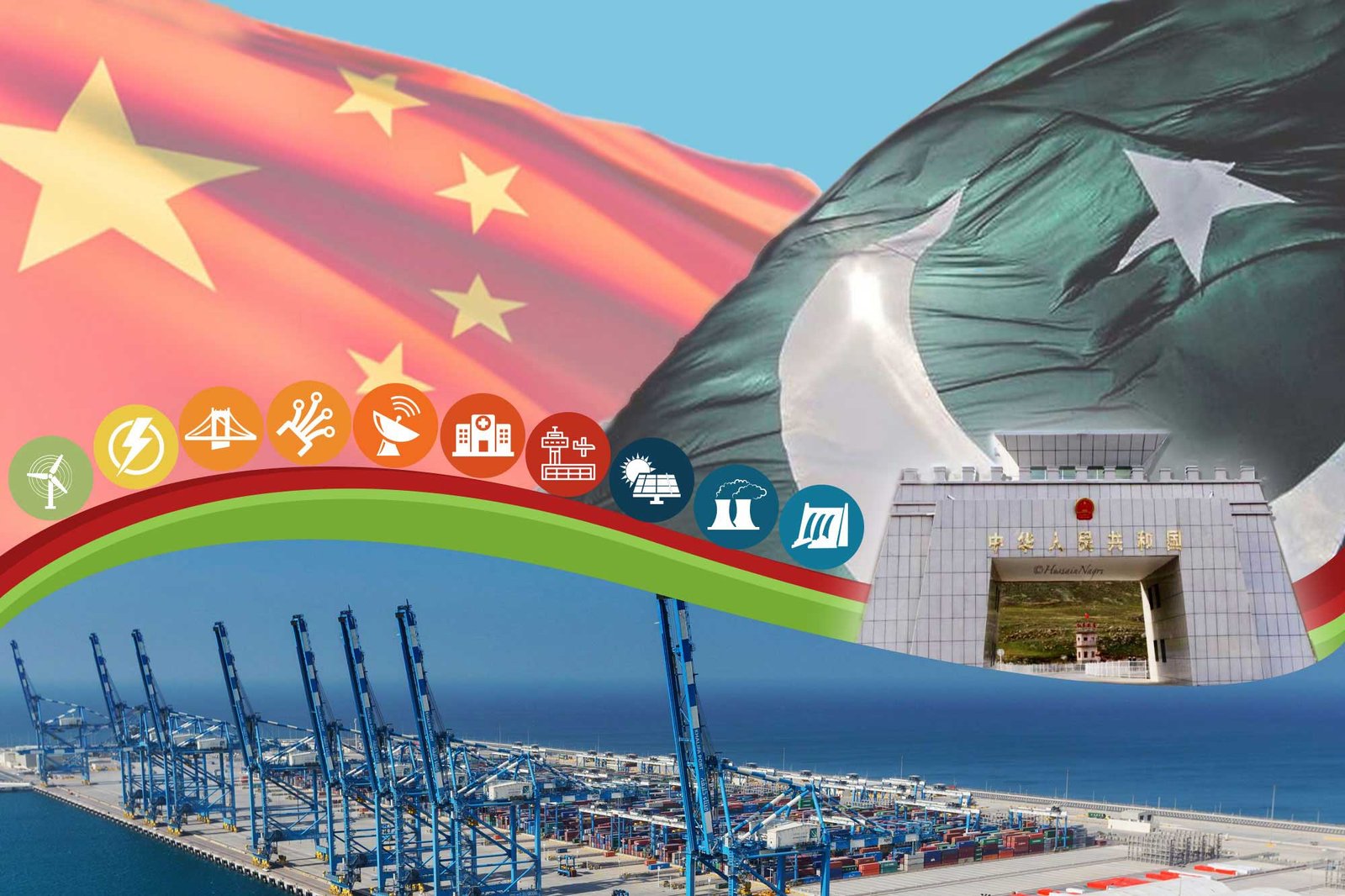
ISLAMABAD: Pakistan’s second phase of the China-Pakistan Economic Corridor (CPEC-II) could provide opportunities to attract investment in climate-friendly projects and support the country’s transition towards a greener economy, Pakistan Furniture Council (PFC) Chief Executive Officer Mian Kashif Ashfaq said.
Ashfaq made the remarks while chairing a meeting of the PFC Board of Directors, where he discussed the potential role of CPEC-II in addressing Pakistan’s economic and climate-related challenges.
He said the second phase of CPEC is broadly aligned with the second phase of China’s Belt and Road Initiative (BRI), which places greater emphasis on green and sustainable development.
According to Ashfaq, cooperation between Pakistan and China during CPEC-II could focus on developing human capital, innovation and technology to support the country’s transition towards a lower-carbon economy.
However, he said Pakistan would need to develop concrete and financially viable projects to attract investment and accelerate implementation of green initiatives under CPEC-II.
Ashfaq said the next phase of CPEC could provide a platform for Pakistan to expand investment in sectors linked to climate resilience, energy efficiency and sustainable infrastructure.
He said the focus on green development could also help Pakistan address the economic impact of climate change while creating opportunities for businesses and investors.
The PFC chief stressed that policy coordination would be important to translate broad climate and investment objectives into projects that can secure financing and move towards implementation.
During the meeting, Ashfaq also highlighted Pakistan’s Climate Prosperity Plan (CPP), which was developed to address the country’s economic and climate vulnerabilities.
He said the plan seeks to turn climate-related challenges into opportunities for investment and sustainable economic growth.
The areas identified under the plan include energy optimization, green economic zones, electric vehicles, climate-resilient agriculture, circular economy initiatives, nature-based solutions and climate-resilient infrastructure.
These sectors could provide potential investment opportunities if supported by appropriate policies, financing mechanisms and commercially viable projects.
Ashfaq said Pakistan needs to move beyond policy commitments and develop projects capable of attracting financing.
He called for stronger coordination between CPEC-II and the Climate Prosperity Plan, arguing that greater policy alignment could help mobilize investment in climate-related sectors.
For Pakistan, securing funding for green infrastructure remains an important challenge, particularly as the country faces pressure from climate-related risks alongside economic constraints.
A stronger pipeline of bankable projects could help connect climate policy with private-sector investment and international financing.
The PFC chief also emphasized the importance of skills development and technological capacity in Pakistan’s green transition.
He said cooperation between Pakistan and China during CPEC-II could contribute to developing human capital and strengthening the country’s innovation and technology base.
Such capacity-building, he added, would be important for adopting new technologies and improving productivity in sectors undergoing the transition towards cleaner production.
CPEC-II faces implementation challenge
While CPEC-II could create opportunities for green investment, the implementation of proposed projects will depend on financing, regulatory frameworks, institutional coordination and their commercial viability.
Pakistan’s ability to develop bankable projects will therefore be a key factor in determining whether climate-related investment plans can translate into actual infrastructure and economic activity.
The potential alignment between CPEC-II and the Climate Prosperity Plan could provide a framework for pursuing investment in renewable energy, cleaner transport, sustainable agriculture and climate-resilient infrastructure.
However, turning these objectives into measurable economic and environmental outcomes will require detailed project planning, financing and effective implementation.
Ashfaq said stronger coordination between the two initiatives could benefit Pakistan’s economy, businesses and the wider public by linking infrastructure and investment plans with the country’s climate priorities.
