


QUETTA: Aurat Foundation Balochistan and the Ending Violence Against Women and Girls Alliance (EVAWG Alliance) have called on federal and provincial governments to take practical measures to protect rural women’s rights and strengthen their economic independence.
In a statement issued on International Day of Rural Women, observed on October 15, the organisations paid tribute to rural women across Balochistan and Pakistan for their contributions to agriculture, food production, household livelihoods and rural development.
They urged the governments to ensure equal access to education, healthcare, employment, land and property rights, financial resources, modern agricultural facilities and decision-making processes.
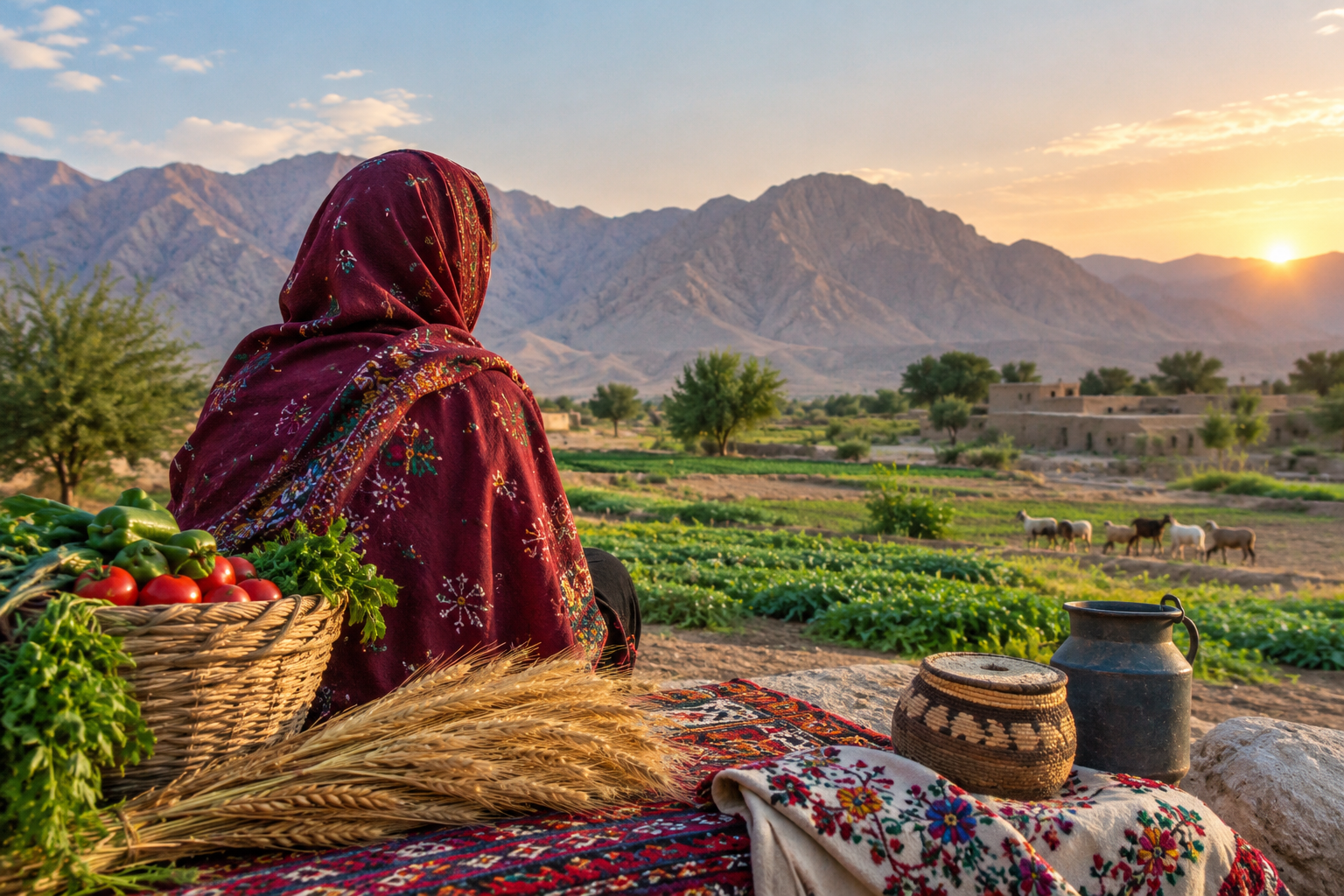
The organisations said rural women in Balochistan play a vital role in agriculture, livestock management, dairy production, food storage, handicrafts, carpet weaving, embroidery and water management. Their work supports the rural economy, preserves traditional skills and helps sustain families.
However, much of their labour remains economically unrecognised, while many women have limited control over their income, resources and future.
According to the statement, rural women in Balochistan face multiple challenges, including poverty, illiteracy, inadequate healthcare, malnutrition, limited access to clean drinking water, long travel distances, unemployment, drought and water shortages.
Limited access to schools, basic health facilities, vocational training centres and financial services further restricts opportunities for women in remote areas.
Land rights and economic independence
Aurat Foundation and the EVAWG Alliance said rural women also face barriers to land ownership, inheritance rights, agricultural resources, loans and access to markets.
Women who produce agricultural goods, handicrafts and other traditional products often struggle to secure fair prices and reach wider markets. These barriers prevent them from turning their skills and labour into sustainable sources of income.
The organisations also highlighted concerns about domestic violence, gender discrimination, child marriage, restrictions on women’s mobility and their limited participation in decision-making.
They stressed that rural women should not be treated merely as recipients of welfare or assistance programmes. Instead, they should be recognised as active development partners, skilled workers, entrepreneurs and decision-makers.
The statement said sustainable development would require government policies, development projects and budget allocations to reflect rural women’s needs and priorities.
Call for education, healthcare and agricultural support
The organisations urged the Balochistan government to prioritise quality education, vocational training, primary healthcare, maternal and child health services, nutrition, clean drinking water and safe transport for rural women.
They also called for improved access to modern agricultural training, climate-resilient technologies, quality seeds, livestock health services and efficient water-use methods for women farmers and livestock keepers.
They said these measures could help rural women respond to climate change, drought and water scarcity while improving agricultural productivity and household incomes.
The organisations further called for interest-free or low-cost loans, financial literacy programmes, digital banking services and business training to help women establish and expand their enterprises.
They recommended setting up dedicated business centres for rural women, providing opportunities to display and sell locally produced goods, and encouraging women-led cooperatives.
Better access to local and online markets, they said, would enable women to turn traditional crafts, agricultural products and other skills into sustainable businesses.
Stronger protection against gender-based violence
Aurat Foundation Balochistan and the EVAWG Alliance called for stronger legal awareness programmes, free legal assistance and effective complaint mechanisms to protect rural women’s land and inheritance rights.
They also urged the authorities to ensure that survivors of domestic violence and other forms of gender-based violence could access safe shelters, psychological and social support, legal assistance and relevant institutions without unnecessary delays.
The organisations said local protection and justice mechanisms needed to be strengthened. They also called for the involvement of men, tribal and community leaders, teachers and local communities in efforts to prevent violence against women.
Increase development funding for rural women
The organisations urged the Balochistan government to increase development funding for rural women and strengthen gender-responsive budgeting to ensure public spending addresses their specific needs.
They called for better coordination among the Women Development Department, Agriculture Department, Livestock Department, Health Department, Education Department, Social Welfare Department and local governments.
They also recommended establishing district-level consultative committees with rural women’s representation and regularly reviewing government projects, with progress and results made public.
The organisations stressed that rural women should have meaningful representation in local governments, farmers’ organisations, development committees and policy-making forums.
They said development programmes could not achieve inclusive and sustainable results without incorporating women’s experiences, needs and priorities.
Rural women’s rights vital for Balochistan’s development
Aurat Foundation Balochistan and the EVAWG Alliance said protecting rural women’s rights and strengthening their economic independence would benefit not only women but also their families and communities.
They added that empowering rural women could contribute to food security, poverty reduction, stronger household livelihoods and the overall development of Balochistan.
The organisations reaffirmed their commitment to promoting rural women’s rights, safety, empowerment and gender equality.
They urged the government, civil society, private sector and local communities to work together to create an environment where every rural woman in Balochistan can live with dignity, security, equal opportunities and economic independence.
Recognising rural women’s labour, they said, was not enough. Ensuring their access to rights, resources, protection and equal opportunities for development was also a collective responsibility.
