


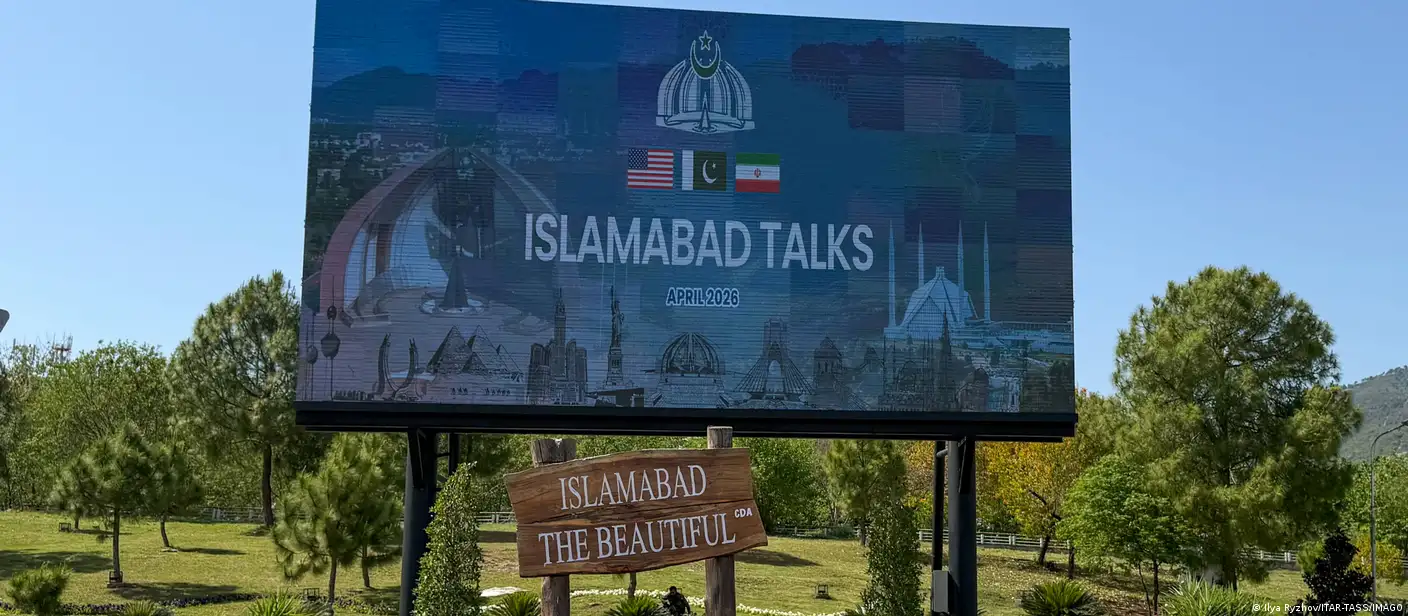
ISLAMABAD – In a historic display of diplomatic mediation, Pakistan has successfully facilitated intensive, high-level negotiations between the United States and the Islamic Republic of Iran, sparking a new wave of hope for regional stability and prosperity.
The “Islamabad Talks, which concluded after several rounds of “serious and constructive” dialogue over the past 24 hours, were made possible through the concerted efforts of Prime Minister Shehbaz Sharif and Deputy Prime Minister/Foreign Minister Ishaq Dar. The diplomatic marathon also received significant support from Chief of Army Staff, Field Marshal Syed Asim Munir, who assisted in bridging the gap between the two sides.
A Marathon for Peace
The negotiations were marked by their unprecedented intensity, lasting approximately 21 hours. The high-powered delegations included U.S. Vice President J.D. Vance, alongside Steve Witkoff and Jared Kushner, while the Iranian side was represented by Parliament Speaker Mohammad Bagher Ghalibaf and Foreign Minister Abbas Araghchi.
Pakistan’s Foreign Ministry highlighted that the dialogue focused on achieving a ceasefire and a sustainable peace [2]. Deputy PM Ishaq Dar noted that the Prime Minister’s appeal for a ceasefire received a positive response, describing the atmosphere as one of “positive spirit” aimed at ensuring a lasting peace for the entire region.
Comprehensive Agenda
The discussions covered a wide array of critical global issues, including:
- The security of the Strait of Hormuz.
- Nuclear commitments and non-weaponization.
- The lifting of economic sanctions
- War reparations and a total end to regional hostilities.
U.S. Vice President J.D. Vance praised Pakistan’s role, stating that the host nation had done an “amazing job” in facilitating the dialogue [3]. While Vance noted that a final agreement has not yet been signed—stating the U.S. has presented its “final and best offer”—he acknowledged the flexibility shown during the 21-hour window . He emphasized that the core U.S. goal remains a long-term commitment from Iran regarding its nuclear capabilities [8].
Iran’s Commitment to Diplomacy
The Iranian delegation expressed their determination to utilize diplomacy as a tool to secure national interests and protect the country’s well-being. Iranian spokespeople described the intensive negotiations as a “benevolent effort” by Pakistan, noting that Iranian negotiators employed their full expertise to safeguard the nation’s rights while pursuing a peaceful resolution
A Diplomatic Triumph for Pakistan
The successful conclusion of these talks in Islamabad is being viewed as a major victory for Pakistani diplomacy . Both Washington and Tehran expressed deep appreciation for the hospitality and the “warm-hearted” efforts of the Pakistani people and government .
As the delegations depart, the international community looks toward the “Islamabad Declaration” as a foundational step toward a future of regional harmony . Pakistan has reaffirmed its commitment to continue playing a constructive role in maintaining these vital lines of communication between the U.S. and Iran
