


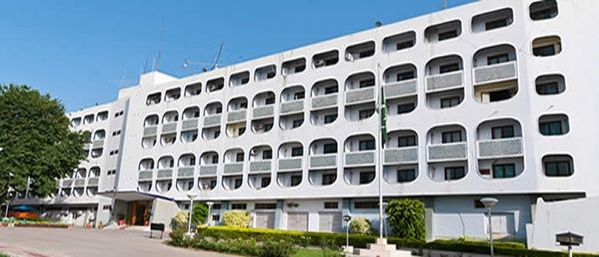
Islamabad: The Ministry of Foreign Affairs Pakistan on Monday summoned the Afghan Deputy Head of Mission in Islamabad following the recent terrorist attack in Bajaur, lodging a strong protest and issuing a formal demarche to the Afghan side.
According to the Foreign Office spokesperson, Pakistan expressed grave concern over the continued use of Afghan territory for terrorist activities targeting Pakistan. The spokesperson stated that the leadership of Fitna al-Khawarij, also known as Tehrik-i-Taliban Pakistan (TTP), remains present in Afghanistan and continues to carry out cross-border attacks with impunity.
Officials highlighted that despite repeated assurances from the Afghan Taliban authorities, Pakistan has not observed any concrete, verifiable, or sustained action against terrorist groups operating from Afghan soil. Islamabad conveyed that such inaction poses a serious threat to regional peace and stability.
During the meeting, Pakistan urged the Afghan interim government to take immediate, effective, and practical measures against terrorist networks and their leadership. The Foreign Office emphasized that merely issuing statements is insufficient and that visible action on the ground is essential to restore confidence.
The spokesperson further underlined Pakistan’s position, stating that:
Verifiable action against terrorist leadership is essential.
Terrorists will be targeted wherever they are found.
No compromise will be made on Pakistan’s national security.
All necessary steps will be taken to protect Pakistani citizens and security forces.
Pakistan also stressed that Afghan authorities must fulfill their responsibility to ensure that Afghan territory is not used for launching attacks against Pakistan. The Foreign Office reiterated that Pakistan reserves the right to act against terrorist elements in accordance with international law to safeguard its sovereignty and security.
Reaffirming its unwavering commitment to eliminating terrorism, Pakistan stated that all necessary measures will be taken to defend its borders and maintain peace, security, and stability in the region.
