


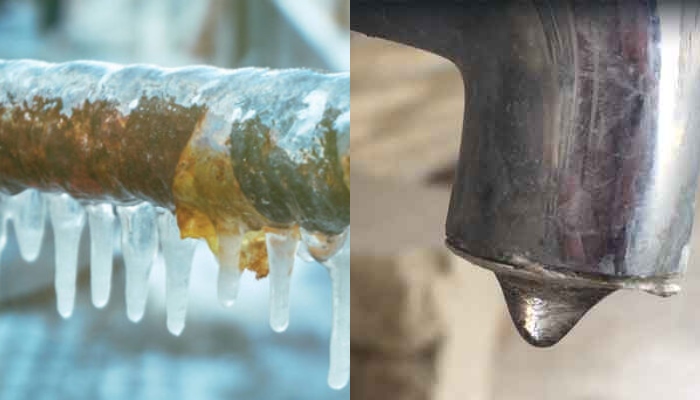
An intense cold wave has tightened its grip on upper Balochistan, disrupting daily life as freezing temperatures caused water pipelines to freeze in several districts, including Quetta, Qalat, Chaman, and Ziarat.
Although the spell of snowfall in northern Balochistan has subsided, icy Siberian winds continue to dominate the region, pushing temperatures far below the freezing point. In upper and Pak-Afghan border areas, the mercury plunged to minus 12 degrees Celsius, turning water in pipelines, tanks, ponds, and even on roads into solid ice.
Residents across affected districts are facing acute shortages of drinking water, as frozen pipelines have halted supply to homes. The severe cold has also made roads slippery and dangerous, increasing the risk of accidents and disrupting transport.
The Quetta–Ziarat highway has been covered with snow at multiple locations, prompting authorities to impose a 24-hour ban on tourist travel to Ziarat as a precautionary measure. Meanwhile, the N-50 Zhob Highway has been partially closed at several points due to snow accumulation and hazardous driving conditions.
Life has come to a near standstill in Chaman, Qila Abdullah, Ziarat, Pishin, Toba Achakzai, and surrounding areas, where routine activities, transport, and trade have been severely affected. Schools, businesses, and daily commuting have suffered due to the harsh weather.
To mitigate the situation, district administrations have launched emergency operations, including salt spreading (de-icing) and the use of modern machinery to clear snow from major roads. The National Highway Authority (NHA) confirmed that continuous salt spraying is underway in upper regions to prevent skidding and ensure road safety.
Authorities have urged citizens to avoid unnecessary travel, especially toward hill stations, and to take precautionary measures against extreme cold. Further weather advisories are expected as cold conditions are likely to persist in the coming days.
